Blacklisted Terms in Proposals
Learn which expressions to avoid in your proposals to maintain credibility and professionalism. From crutch phrases to negative language, discover what hurts your proposal's effectiveness.
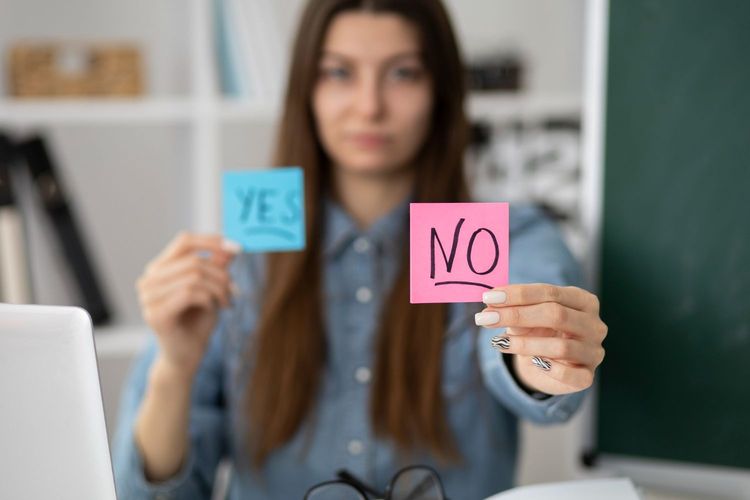
Your proposal can look stunning, filled with eye-catching images and graphics... If the written content isn't convincing, all of this is worthless. Now let's look at expressions you should absolutely avoid in your proposals!
Our list is naturally not comprehensive, and there may be exceptional cases where using these expressions is permissible. Consider the following list as a guideline.
Expressions you shouldn't use in your proposals
"We understand the requirements..."
That is, crutch expressions
When the proposal writer doesn't know what to say, they often try to convey that they know exactly what they're writing about using meaningless expressions. For example, if they write "we understand the requirements", they show absolutely no understanding, merely using the word understanding as a crutch.
Instead, you can have a much more powerful impact on the client by describing how you can meet their requirements. This shows them that you understood and are suitable for the task!
For example:
"During the project, we'll pay special attention to ensuring the system is easily manageable on mobile devices, since you indicated that a significant portion of your customers use the application from their phones. We'll optimize the interface accordingly and test it on various devices throughout the process."
"We provide world-class service..."
That is, boastful statements
Due to excessive boasting, the proposer can lose credibility. We know that every 10-person company "provides world-class service", "has unique qualifications", "uses the most modern tools and technologies", or is "a leader in their market".
Instead, it's advisable to omit all kinds of bragging and self-praise, and concentrate on providing concrete, measurable information and plans for the client. Write clearly how you will help solve the client's problems.
For example:
"During the campaign, we send weekly reports on ad performance, and based on these, we make optimization suggestions every two weeks. In the past quarter, our clients have increased their conversions by an average of 28% with this structure."
"We are pleased to offer you a proposal..."
That is, vague, useless expressions
No one has ever been moved by expressions like "we are pleased to offer you a proposal", "we are excited to do the work", "we are committed to top quality", or "we put our clients first".
Instead, write clearly and specifically how you will do the work and what steps you will follow for successful execution.
For example:
"As the first step of the project, we will thoroughly assess your needs, then create a detailed plan that includes deadlines, costs, and required resources. During implementation, we conduct regular checks and send you weekly reports on project progress. This ensures the work is executed exactly according to your expectations."
We strive to...
That is, weak, timid expressions
"We think/feel", "we strive", "we try", "we intend" etc. These are all expressions that suggest it's acceptable for the proposer if the delivery doesn't succeed for some reason.
Instead of such expressions, use active, decisive sentences. For example, instead of writing "we strive to complete the project on time", phrase it like this: "We guarantee the project will be completed by the specified deadline." Active sentences make your commitment clear and assure the client that you take the fulfillment of undertaken tasks seriously.
"Based on our actual experience..."
That is, unnecessary words
When writing proposals, it's crucial that all information be concise and clear. Unnecessary modifiers and expressions like "actual experience" or "consensus of opinions" only increase text complexity without adding real value.
Instead, focus on writing clearly and simply, getting straight to the point without using complicated and roundabout expressions.
For example:
"Our team participated in developing more than 30 online stores last year, so we know exactly what solutions work well in online sales."
"We'll roll out the red carpet for you..."
That is, slang
During conversations, funny or friendly expressions like "we'll roll out the red carpet for you" work well. However, in a written proposal, these expressions can look very odd. Even if the working relationship is friendly, it's always worth preparing proposals formally. This is important because the proposal might later become part of the contract, so ensure the document is professional and official.
Therefore, when writing a proposal, avoid slang expressions and replace them with formal, clear language. This not only highlights your professionalism but ensures the proposal meets official expectations in every respect.
"The project won't be completed if..."
That is, negative expressions
Negative expressions used in proposals, such as "won't be completed", "not possible" or "never", can create a bad mood in the client and reduce their confidence.
Instead, try to phrase your message in positive form to focus on possibilities and solutions.
For example:
- Negative expression: "The project won't be completed if preliminary plans aren't finished on time."
- Positive phrasing: "For successful project implementation, timely completion of preliminary plans is essential."
One key to a successful proposal is therefore professional and positive wording. Avoid negative expressions, and instead focus on solutions and possibilities. Use action verbs and clear, concise sentences to make your proposal convincing. You can increase client trust by phrasing things clearly and positively, making them more likely to accept your proposals.